The Crises of the 21st Century and European Integration: Reflections and Perspectives from the 20th Edition of the EIRP International Conference

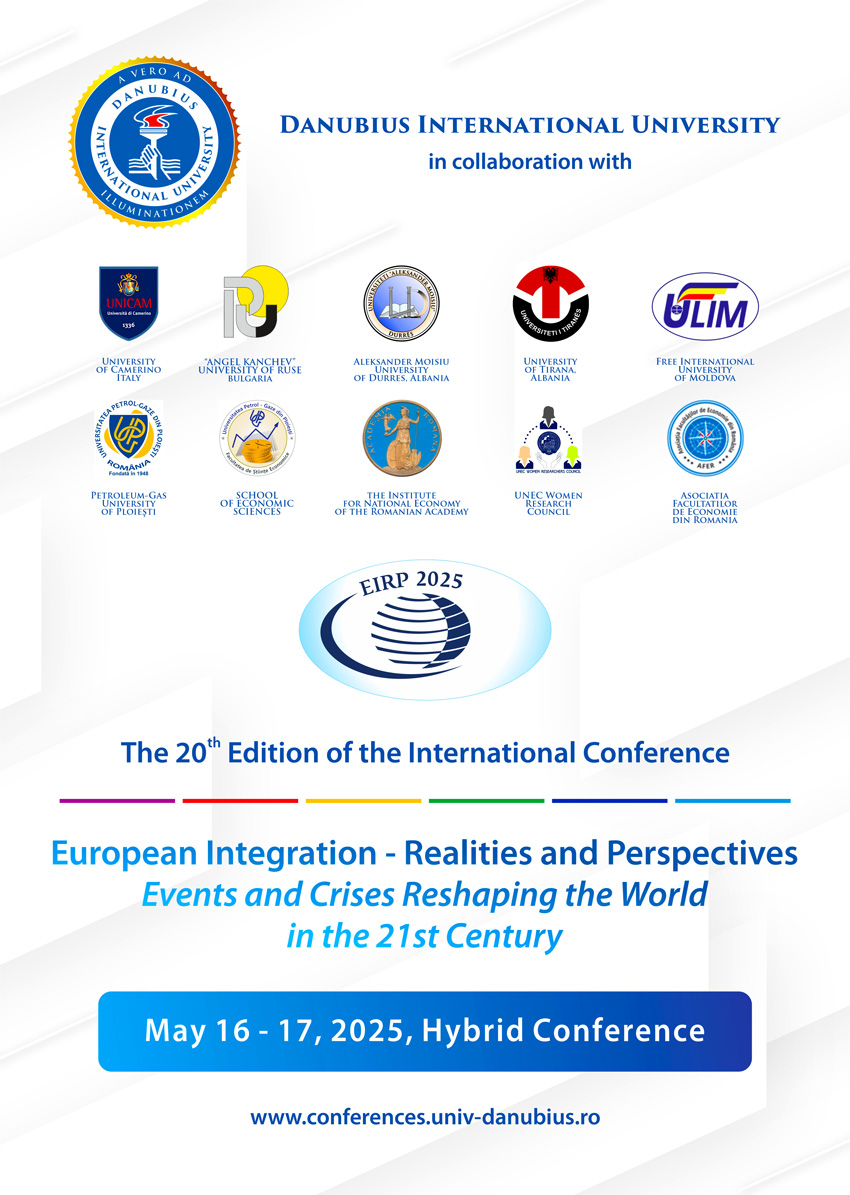
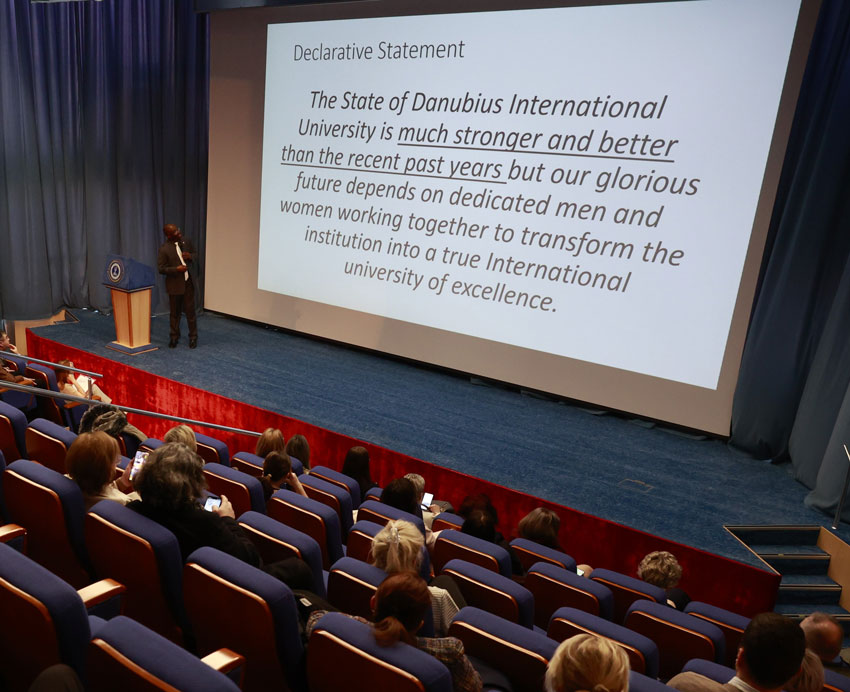
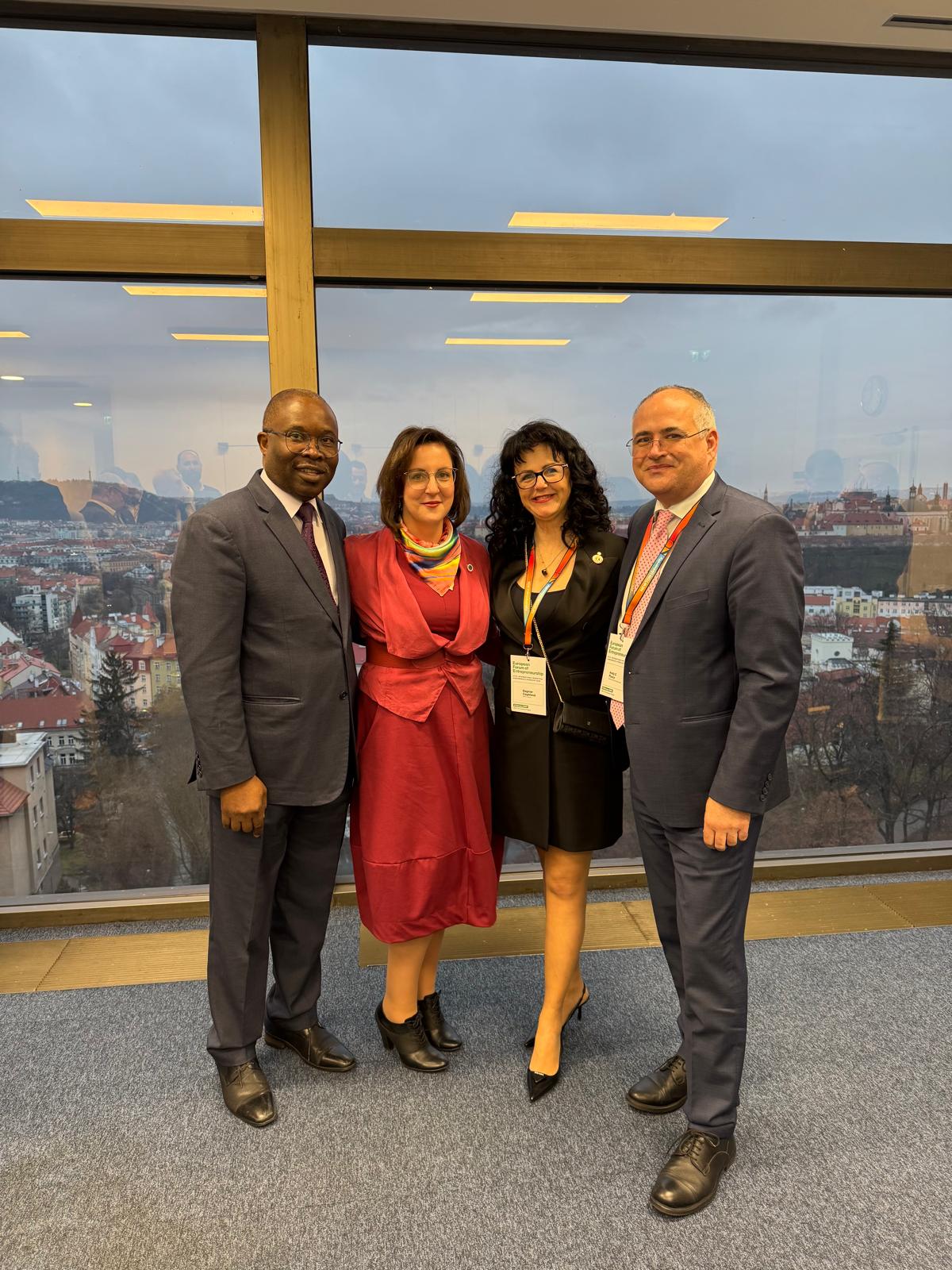
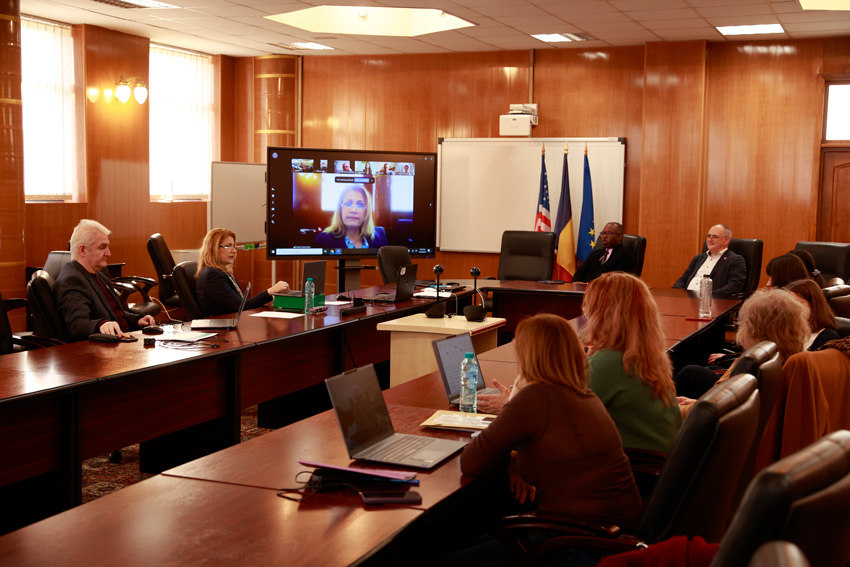
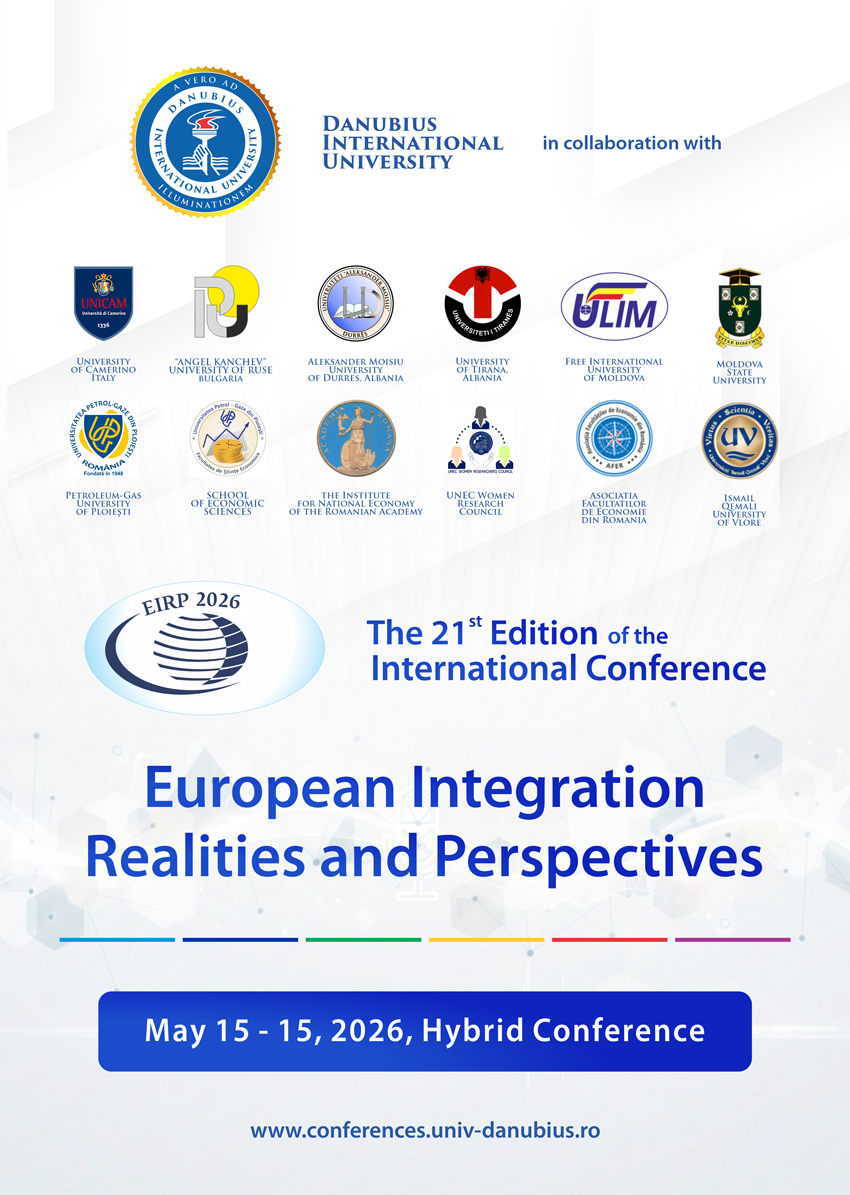
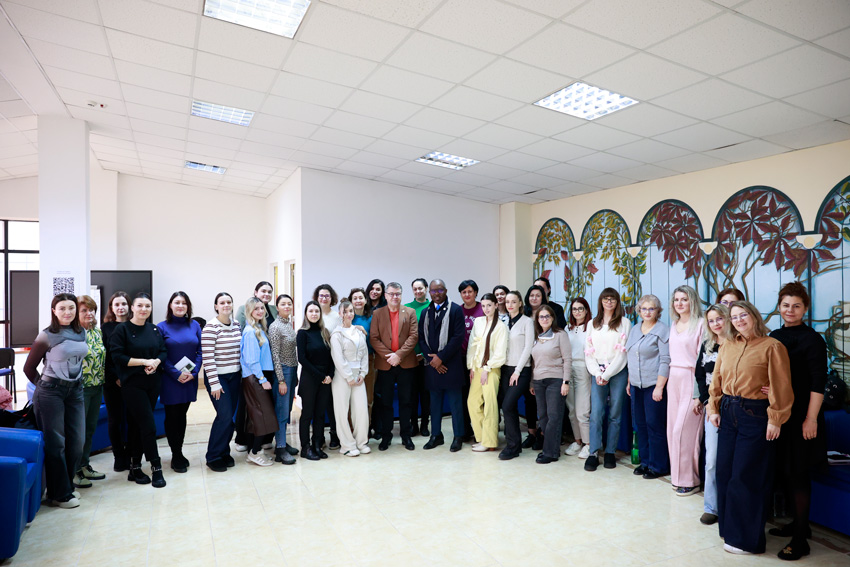
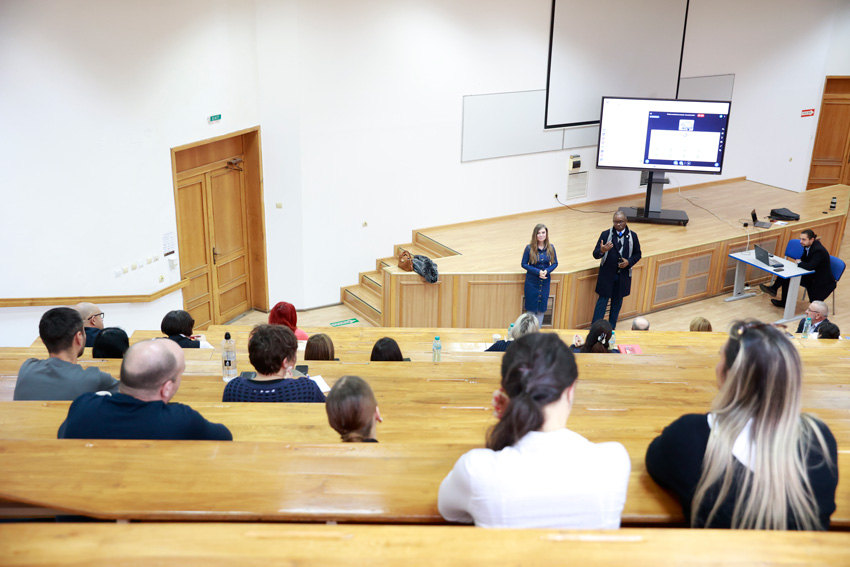
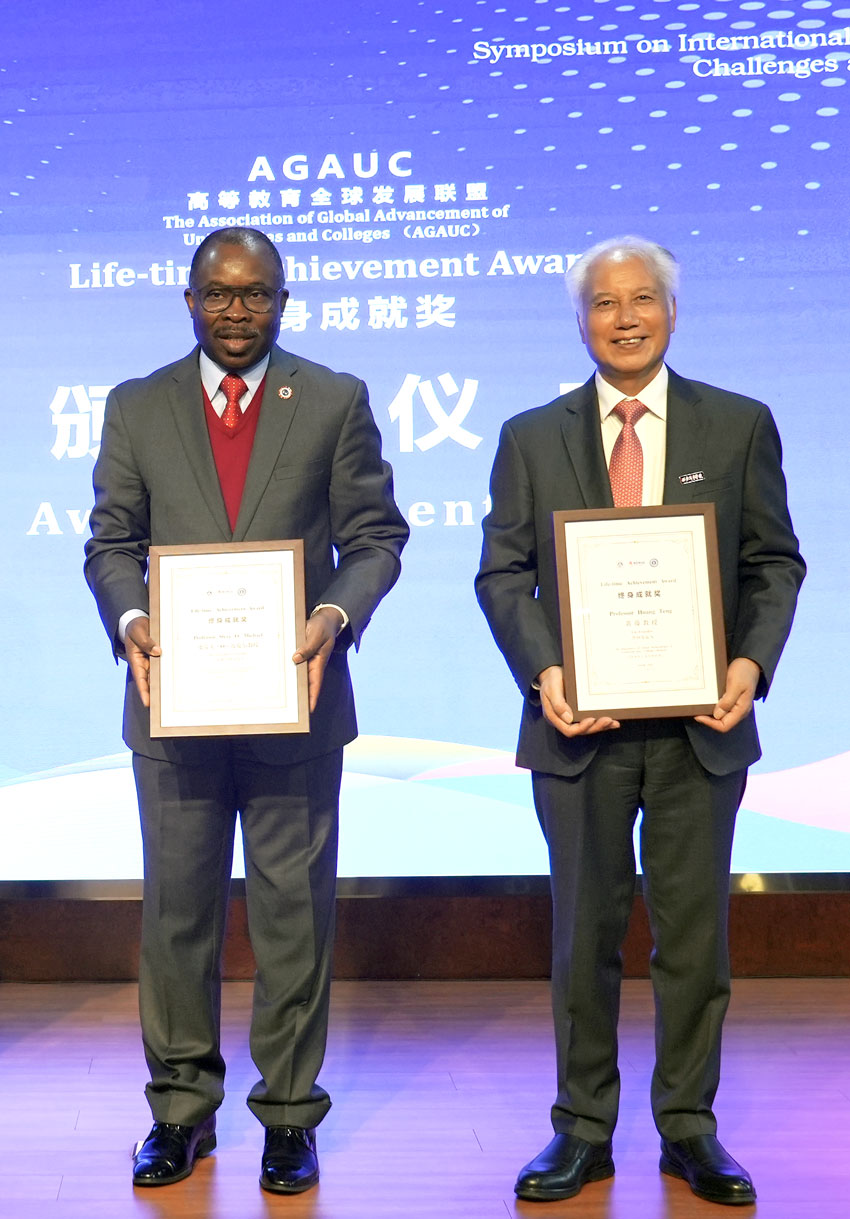
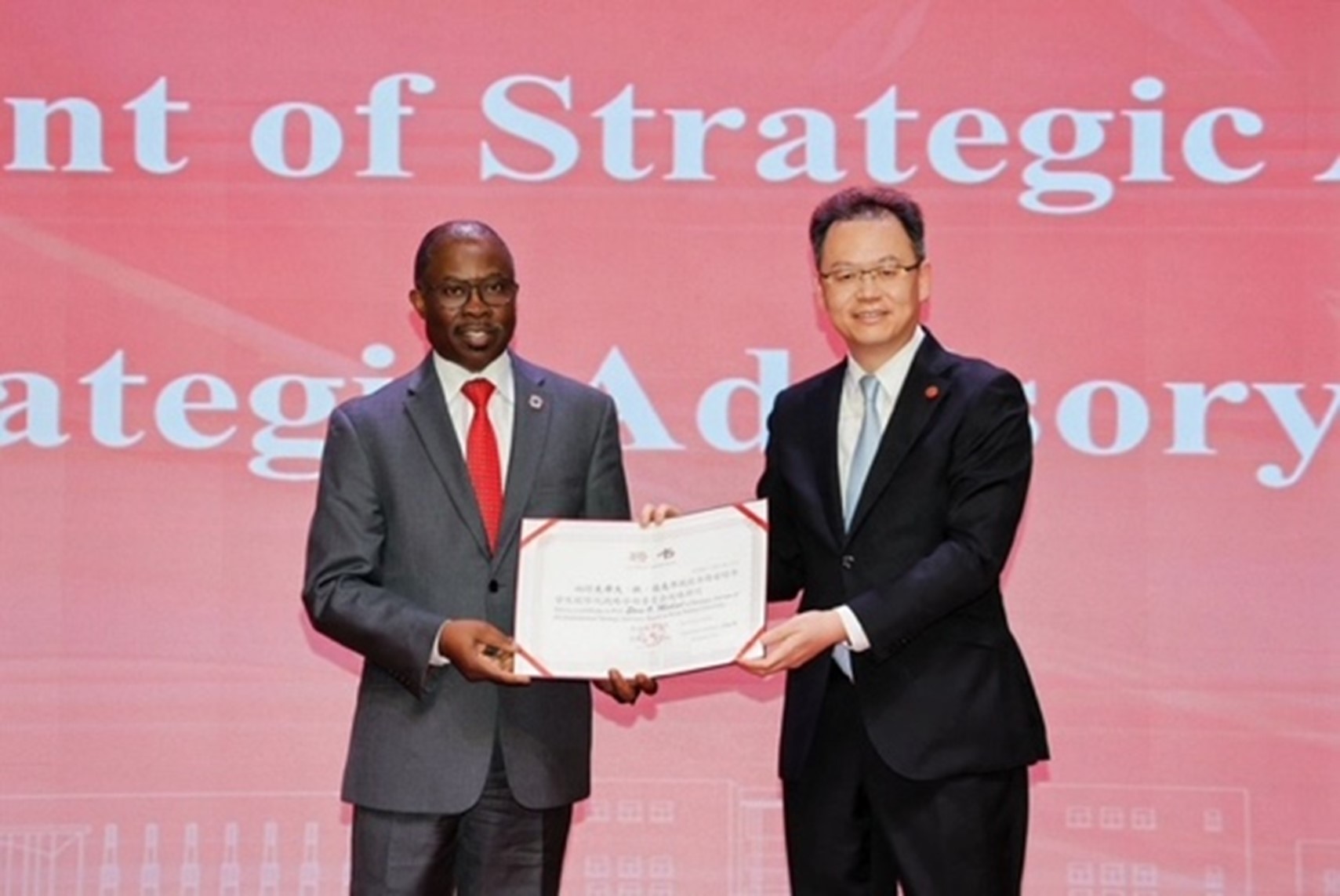
On May 16, Danubius International University hosted the 20th Edition of the International Conference on European Integration – Realities and Perspectives, held in a hybrid format, with both in-person and online participation via the ZOOM platform. Under the central theme Events and Crises Shaping the World in the 21st Century, the event brought together researchers, academics, and experts from around the globe in a multidisciplinary setting designed to facilitate the exchange of ideas, research findings, and best practices regarding current global challenges. A highlight of the conference’s opening session was the keynote presentations delivered by Prof. M.A. Dagmar Cagáňová from Newton University in Prague, Professor Stephen OBARO, PhD, from the University of Alabama at Birmingham, USA, and Dr. Steve O. MICHAEL, RECTOR & CEO of Danubius International University—distinguished figures in the fields of entrepreneurial management and the internationalization of higher education.


The conference proceedings addressed a broad range of contemporary topics, including the green economy, international migration, global diplomacy, emerging technologies in education, and cybersecurity—reflecting the complex phenomena shaping today’s societies. Participants were encouraged to submit original research papers, which, upon acceptance, underwent a rigorous peer-review process and were published in the Proceedings of the EIRP Conference, a volume indexed in international databases. The event further reinforced the EIRP tradition of providing a high-level academic forum, serving as a benchmark within European discourse on integration, sustainability, and the adaptation of public policies to new global paradigms.


Claudia Ștefania Marghiru


The National Conference at Danubius International University – A Dialogue on the Crisis of International Humanitarian Law

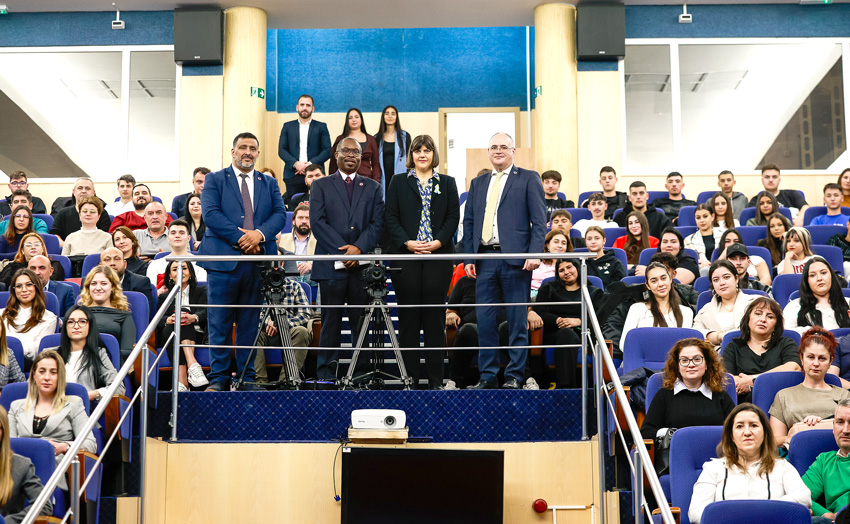
Held on May 14, 2025, the National Conference The Crisis of International Humanitarian Law: Theoretical and Practical Developments, organized by the Faculty of Communication and International Relations in collaboration with the Danubian Center for Studies and Research and the Center for Career Counseling and Guidance within Danubius International University, brought together experts, academics, researchers, and students interested in the contemporary challenges facing international humanitarian law. The event, hosted in a hybrid format at the university’s Senior Club, provided a significant platform for the discussion of pressing topics, including the applicability of humanitarian norms in modern conflicts, the role of international organizations, and the impact of technological advancements on legal frameworks.


Participants engaged with a series of rigorous academic presentations accompanied by relevant case studies, highlighting both the limitations and the potential of the current humanitarian protection system amidst global crises. The exchange of ideas between professionals and emerging scholars contributed to a deeper understanding of the complexity of the phenomena addressed, emphasizing the necessity for an interdisciplinary approach to the interpretation and implementation of international humanitarian law. The conference concluded with valuable insights concerning the adaptation of the legal framework to new geopolitical and technological realities, marking an important moment in the Romanian academic discourse on the subject.


Claudia Ștefania Marghiru


Danubius International University Closer to High School Students: Promoting the Educational Offer in Focșani High Schools

Representatives of the Focșani Enrollment Center, affiliated with Danubius International University, recently carried out a series of informative visits to several high schools in the city, aiming to promote the university’s academic offer for the 2025–2026 academic year. These activities were part of a strategic initiative designed to strengthen the connection between the higher education environment and the pre-university system. The institutions visited included the "Valeriu D. Cotea" Technical College, "Gheorghe Tattarescu" High School of Arts, and "Traian Vuia" Technical College of Automotive.


During these meetings, final-year students had the opportunity to learn about bachelor's and master's programs, professional development prospects, international mobility opportunities, as well as the various benefits offered to students at Danubius International University. The discussions were interactive and reflected the students' growing interest in an academic path that is both flexible and aligned with the demands of the labor market. This initiative underscores the university’s commitment to building lasting bridges between young people and the academic world, fostering equitable and informed access to higher education.


Claudia Ștefania Marghiru


Admission to Danubius University: Online, at the University’s Main Administrative Office, or through Regional Centers

Young individuals seeking to pursue a path of academic excellence are invited to apply to Danubius International University through a simple and accessible process, available both online and in person.

The fastest and most convenient method is to complete the application form via the official admissions platform, accessible at: https://admitere.univ-danubius.ro/en/inscriere.


Steps to apply online:


1.Access the admissions platform: https://admitere.univ-danubius.ro/inscriere


2.Fill out the application form by selecting your desired faculty and academic program.


3.Upload the required documents (identity card, high school diploma/undergraduate degree, birth certificate, etc.) – as scanned files or clear images.


4.Pay the application fee online, directly through the platform.


5.Finalize your application and wait for the confirmation via email.


For applicants who prefer direct interaction, registration can also be completed in person by submitting a physical application file at the Admissions Department of Danubius University, located in Galați Municipality, at 3 Galați Boulevard, postal code 800654. Applicants are encouraged to check the department’s working hours in order to benefit from personalized guidance provided by the university staff. The application file must include original or certified copies of academic documents, the identity card, birth certificate, and other documents specified in the admission regulations.


Moreover, Danubius University facilitates the registration process through a network of strategically located regional admissions centers across several counties. Candidates may submit their application files and receive guidance in the following cities: Bacău, Bârlad, Botoșani, Brăila, Buzău, Focșani, Onești, Roman, and Tecuci. Further details regarding the exact addresses, opening hours, and services provided at each center can be found on the university’s official website: https://univ-danubius.ro/centre-de-inscriere.


Claudia Ștefania Marghiru


Recent News

© 2026 Danubius International University. All Rights Reserved.